
Retirement
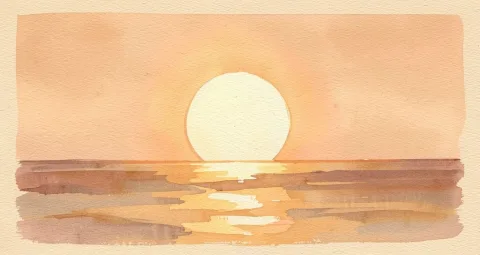
Your kind words on my retirement arrived like sunlight — thank you for making this transition feel like a celebration.
Retirement brings a wave of heartfelt messages from colleagues, friends, and family that deserve a warm reply. These carefully chosen thank you notes for retirement wishes help you express genuine appreciation while keeping the right tone and personal touch. Whether you prefer something formal or relaxed, you will find ready-to-use examples that make saying thank you simple and sincere. Pick one, personalize it, and send a postcard to share your gratitude online.
Your kind words on my retirement arrived like sunlight — thank you for making this transition feel like a celebration.

I read your message twice, smiled both times — thank you for marking this milestone with me.
Decades of work, and your note reminded me why it mattered — thank you, sincerely.
Your retirement wishes meant more than you know — gratitude doesn't quite cover it, but it's a start.
Thank you for the lovely message — knowing you took the time made this chapter open even brighter.
Your warm words turned a quiet milestone into something I'll keep — thank you from the bottom of my heart.
I'm grateful beyond easy words for your retirement wishes — they will stay with me through these new, slower days.
Thank you for thinking of me at the finish line — your message was the kindest kind of send-off.
Your note found me at exactly the right moment — thank you for the warmth and the well-chosen words.
Goodbyes are easier when carried by kindness like yours — thank you, truly.
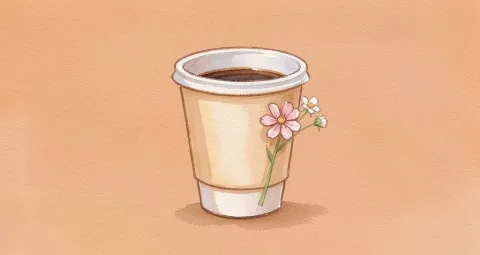
Your wishes meant the world — I'll be reading them again on quieter mornings, with coffee and gratitude.
Thank you for celebrating with me from afar — the warmth of your message arrived without delay.

It takes thoughtful friends to make a retirement feel like a beginning — thank you for being one of them.
Your kind words helped me close one door and open another with a smile — thank you.

Thank you for the generous message — it reminded me how lucky I was to share these years with people like you.
Your retirement wishes were the perfect punctuation to a long sentence — thank you for the warmth.

I was touched by every word — thank you for marking this turn in the road with such kindness.

Gratitude feels too small a word, but thank you anyway — your message meant a great deal.
Thank you for the lovely send-off in words — I'll treasure your note as much as the years we shared.
Your message reached me on a tender day and made it brighter — thank you, sincerely.
Thank you for taking the time — your retirement wishes were a gift I'll keep unwrapping.

Your kindness wrapped this milestone in something gentle — thank you for the thoughtful words.

Thank you for celebrating my retirement so warmly — your wishes turned reflection into joy.
I'm grateful for your note — the right words at the right moment from the right person.
Thank you for the heartfelt message — it landed exactly where it needed to.
Your retirement wishes were generous and specific — thank you for making them feel personal.
Thank you for honoring this chapter with such warmth — your words mean more than I can say briefly.
Your kind message will sit on my desk a while longer than most — thank you for the lift.
Thank you for the lovely words — they made stepping away feel like stepping toward something good.
I appreciate your wishes deeply — thank you for being part of the long road and the kind farewell.

Your note arrived with grace and good timing — thank you for the heartfelt retirement wishes.
Thank you for caring enough to write — your message made this turning point unforgettable.
A thank-you for retirement wishes doesn't need flourish — just honesty about how the kind words landed when you needed them most.
Start with the warmth you felt opening each card, and let the gratitude write itself from there onward.

Saying thanks after retirement is less about etiquette and more about giving your goodbye one last meaningful echo.
Keep it short, keep it specific — mention the moment a coworker's note made you pause and reread.

Handwritten replies still carry weight, especially when the sender remembered a project you'd nearly forgotten yourself.
Mention the celebration, the gift, the unexpected story — particulars turn polite acknowledgment into something genuinely felt.
Thank them for the wishes, then thank them for the years that earned those wishes in the first place.

A reply that names what they meant to your workdays will outlast any framed plaque on a shelf.
Don't dodge the sentiment — admit the cards moved you, and watch how that admission moves them back.
Open with their name, close with yours, and trust the middle to carry whatever feeling needs saying.
Group emails are fine for logistics, but heartfelt thanks deserve the slower medium of pen on paper.
Tell them retirement feels lighter knowing the warmth they sent off with you wasn't ceremonial — it was real.
A simple structure works: acknowledge the message, share a memory, wish them well in return.
Resist the urge to overpolish — gratitude reads warmest when it sounds like you, not a greeting card.
If the wish made you laugh, say so. If it made you cry a little, say that too.
Mention the next chapter briefly, but anchor your thanks in the chapter you shared with them.
Replying weeks later is fine — late gratitude still beats unsaid gratitude every quiet time.
Match the tone they used: formal note gets a formal reply, inside joke gets an inside joke back.
Close with an invitation — coffee, a call, anything that keeps the door propped open after the office key turns.
Thank them once for the wish, twice for the friendship that prompted it, three times in your heart.
A retirement thank-you is partly a receipt and partly a small love letter to a working life.
Name one thing you'll miss about them specifically — generic praise dissolves; specific praise sticks.
Acknowledge the gift if there was one, but linger longer on the gesture behind it.

Let the reply sound like you on a good morning — unhurried, observant, slightly amused at the fuss.
If you're unsure what to write, start with this: "Your note caught me at exactly the right moment."

Thank them for showing up — to the party, to the card, to the years of ordinary Tuesdays.
Even a postcard counts. A line, a signature, a stamp — three small acts of finishing well.
End with what you mean rather than what's expected, and the difference will be felt across the envelope.
Tell them the cards are pinned above your kitchen table now, where the morning coffee can read them too.
A thank-you for a retirement wish is also a quiet promise: I noticed you, and I won't forget.
Don't apologize for emotion — a career closing deserves at least one sentence that wobbles a little.
Sign it warmly, send it promptly, and trust that the people who wrote you first will write you again.
Open with something specific to the recipient — a name, a date, the reason today matters — then add one wish that wouldn't fit any other card, and close warmly. The 64 examples above show different registers; pick the one closest to how you'd actually talk to this person, then change one phrase so it sounds like you wrote it.
Three to five sentences is the sweet spot for cards. That's enough room to say something true without crowding the page. For a text or social post, one or two lines is plenty. The longer wishes on this page give you a frame; the shorter ones work as-is.
Yes — that's the recommended way to use them. Most wishes here are written generically on purpose so you can replace one phrase with a specific name, date, place, or memory. Our AI generator will also rewrite a chosen wish around personal details you provide.